4 MAY
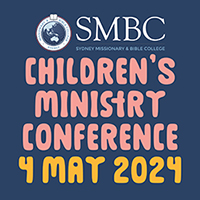
SMBC 2024 Children’s Ministry Conference
For all those with an interest in all kinds of children's ministry
MORE INFO

Small groups, big gains: Creating a culture of deliberate discipleship
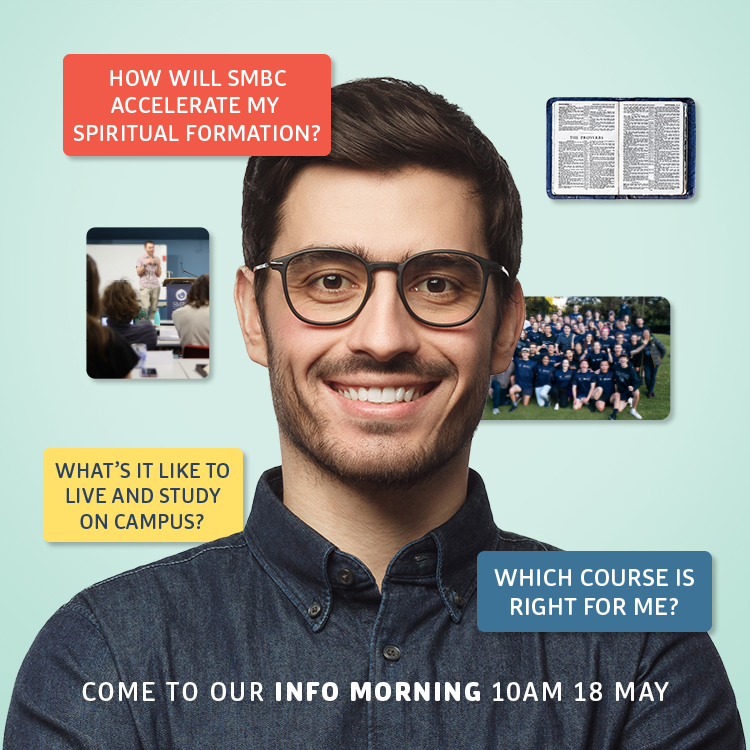
A great opportunity to check out SMBC in person
A great opportunity to check out The Bridge gap year program
A great online opportunity to check out SMBC from wherever you are!
Come and try out The Bridge for a day!
For all those with an interest in all kinds of children's ministry
MORE INFO
Ideal for anyone who'd like to know more about The Bridge gap year program - young adults, senior high school students, parents, pastors, school chaplains etc.
MORE INFOSmall groups, big gains: Creating a culture of deliberate discipleship
A great opportunity to check out SMBC in person
A great opportunity to check out The Bridge gap year program
A great online opportunity to check out SMBC from wherever you are!
Come and try out The Bridge for a day!